Why Do Children Snore While Sleeping?
Children need quality sleep for healthy growth, brain development, and daily activities. However, some parents notice that their children snore regularly while sleeping. Occasional snoring may occur due to a cold or blocked nose, but frequent or loud snoring can sometimes indicate an underlying health problem.
Understanding why children snore while sleeping helps parents identify possible causes and seek appropriate medical advice. Conditions such as nasal congestion, enlarged tonsils, enlarged adenoids, and sleep-disordered breathing can contribute to childhood snoring.
In this blog, we explore the common causes, warning signs, diagnosis, and treatment options for snoring in children, along with practical steps parents can take to support better sleep.
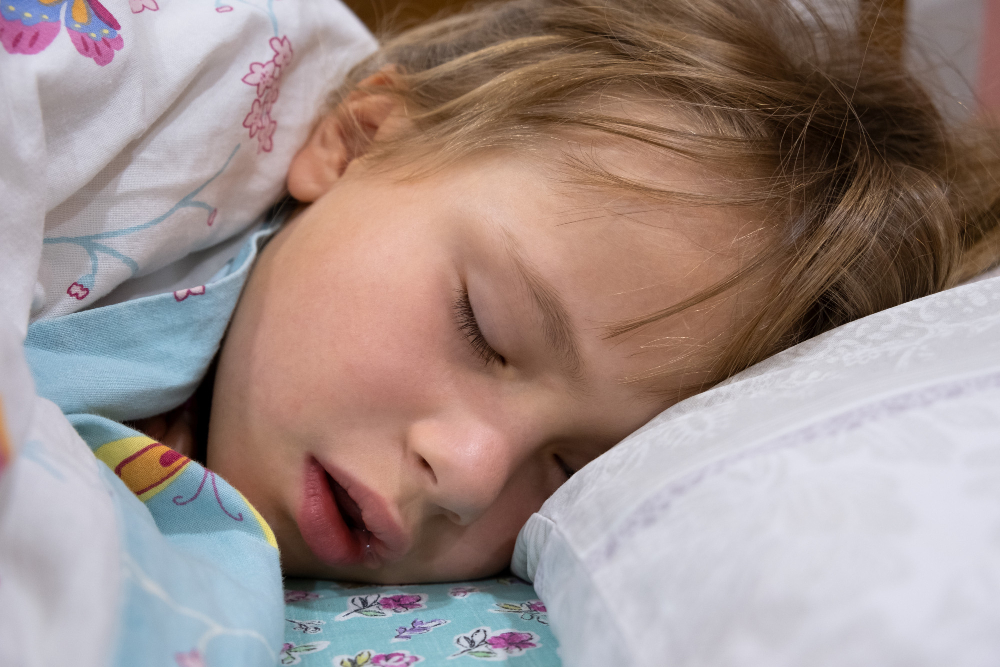
Understanding the causes of childhood snoring can help parents recognise when an ENT evaluation may be needed.
Why Do Children Snore While Sleeping?
Snoring occurs when air cannot move freely through the nose and throat during sleep. The surrounding tissues vibrate as air passes through a narrowed airway, producing a snoring sound.
The answer to why children snore while sleeping depends on several factors, including the child's age, nasal health, airway structure, and sleeping habits.
Occasional snoring may happen during a respiratory infection or allergy flare-up. However, persistent snoring may indicate an obstruction in the upper airway that needs medical evaluation.
Parents should observe how frequently their child snores and whether other symptoms, such as restless sleep, mouth breathing, or pauses in breathing, are present.
What Are the Common Causes of Snoring in Children?
There are several possible child snoring causes, ranging from temporary nasal congestion to conditions affecting the airway.
Common causes include:
- Nasal congestion: Colds and respiratory infections can block the nasal passages and make breathing difficult during sleep.
- Allergies: Allergic rhinitis can cause swelling inside the nose, sneezing, and persistent congestion.
- Enlarged tonsils and adenoids: These tissues can narrow the airway, particularly in young children.
- Structural nasal problems: A deviated nasal septum or other anatomical differences may affect airflow.
- Excess body weight: In some children, excess weight can contribute to airway narrowing.
- Sleep-disordered breathing: Some children experience obstructed breathing during sleep, including obstructive sleep apnea.
Identifying the underlying cause is important because the most suitable treatment depends on the condition responsible for the snoring.
Is Snoring Normal in Babies and Toddlers?
Occasional snoring or noisy breathing can occur in babies and toddlers, especially during a cold or when their noses are congested. However, regular or loud snoring should not automatically be considered normal.
Toddler snoring while sleeping may be associated with enlarged adenoids, enlarged tonsils, allergies, or other airway problems.
Parents should pay attention if their toddler snores on most nights, breathes through the mouth, sleeps restlessly, or appears unusually tired or irritable during the day.
Babies who have difficulty breathing, pauses in breathing, bluish lips, or difficulty feeding need prompt medical attention. Persistent noisy breathing in infants should also be discussed with a pediatrician.
How Do Enlarged Tonsils and Adenoids Cause Snoring?
Tonsils are located at the back of the throat, while adenoids are positioned behind the nose. These tissues help the immune system fight infections, but they can become enlarged in some children.
Enlarged tonsils and adenoids in children can reduce the space available for air to pass through the upper airway during sleep. This narrowing may lead to loud snoring, mouth breathing, disturbed sleep, and, in some cases, obstructive sleep apnea.
An ENT specialist can examine the throat and assess the adenoids when necessary. Treatment depends on the severity of symptoms and how much the enlarged tissues affect breathing and sleep.
What Are the Warning Signs of Sleep Apnea in Children?
Sleep apnea in children occurs when breathing repeatedly becomes partially or completely obstructed during sleep. Obstructive sleep apnea can interfere with restful sleep and may affect a child's behaviour, learning, and overall health.
Warning signs include:
- Loud, frequent snoring.
- Pauses in breathing during sleep.
- Gasping, choking, or snorting sounds at night.
- Restless sleep or unusual sleeping positions.
- Persistent mouth breathing.
- Morning headaches or difficulty waking up.
- Daytime sleepiness, irritability, or trouble concentrating.
Not every child who snores has sleep apnea. However, these symptoms should be evaluated by a healthcare professional rather than ignored.
When Should Parents Worry About Child Snoring?
Parents should understand when to worry about child snoring by looking beyond the sound itself and observing the child's overall sleep and breathing patterns.
Medical evaluation is recommended when snoring happens regularly, is unusually loud, or continues after a cold has resolved. Additional concerns include persistent mouth breathing, disturbed sleep, behavioural changes, poor concentration, or concerns about growth.
If a child struggles to breathe, has repeated pauses in breathing, or develops bluish lips, seek emergency medical care. Do not wait for a routine appointment when breathing appears seriously compromised.
How Is Snoring Diagnosed in Children?
A doctor will usually begin by asking about the child's symptoms, sleep habits, medical history, and the frequency of snoring.
The examination may include checking the nose, throat, tonsils, and other structures that can affect breathing. Depending on the findings, the doctor may recommend further assessment.
A sleep study, also called polysomnography, may be advised when obstructive sleep apnea is suspected. This test monitors breathing, oxygen levels, and other body functions during sleep.
Accurate diagnosis helps determine whether the snoring is temporary or linked to an underlying condition requiring treatment.
What Are the Best Treatment Options for Snoring in Children?
The most appropriate snoring in children treatment depends on the underlying cause and the severity of symptoms.
Possible treatment options include:
- Managing allergies: A doctor may recommend suitable medicines or allergy management strategies.
- Treating nasal congestion: Addressing the cause of a blocked nose may improve airflow.
- Addressing enlarged tonsils or adenoids: Surgery may be considered when enlargement causes significant obstruction or obstructive sleep apnea.
- Managing weight when appropriate: For children with excess weight, a clinician-guided plan may help improve breathing during sleep.
- Positive airway pressure therapy: Some children with sleep apnea may need CPAP or another prescribed breathing support treatment.
Parents looking for child snoring remedies should avoid unverified treatments or giving medicines without medical advice. The right approach depends on the child's age, symptoms, and diagnosis.
When Should You Consult a Pediatric ENT Specialist?
Parents should consult a pediatric ENT specialist for snoring if their child snores frequently, breathes through the mouth, experiences disturbed sleep, or shows signs of airway obstruction.
An ENT specialist can assess the nose, throat, tonsils, and adenoids to identify possible causes. They can also recommend further testing or refer the child for a sleep evaluation when needed.
Early assessment can help identify treatable conditions and support healthier sleep. Treatment should always be based on the child's individual needs rather than the presence of snoring alone.
How Can Parents Help Prevent Snoring in Children?
Parents can take practical steps to support healthy breathing and sleep, although not every cause of snoring can be prevented.
- Maintain a regular bedtime and consistent sleep schedule.
- Keep the child's sleeping environment free from smoke and avoid exposure to other respiratory irritants.
- Follow medical advice for allergies and nasal congestion.
- Encourage healthy eating and age-appropriate physical activity.
- Observe breathing patterns and note how often snoring occurs.
- Avoid using adult snoring products or unprescribed medicines for children.
Parents wondering how to stop child snoring should first identify why it is happening. Home care may help with temporary congestion, but persistent snoring requires professional assessment.
Why Choose an ENT Specialist for Childhood Snoring?
Frequent snoring can sometimes indicate an underlying problem affecting a child's breathing during sleep. An ENT specialist can examine the nose, throat, tonsils, and adenoids to assess possible causes.
At Vijay ENT Endoscopy Center, parents can seek professional evaluation for ENT-related concerns and receive guidance based on the child's symptoms and clinical findings.
If your child snores regularly, breathes through the mouth, or has disturbed sleep, an appropriate medical evaluation can help determine whether further assessment or treatment is needed.
Frequently Asked Questions About Snoring in Children
Nightly snoring may be caused by enlarged tonsils or adenoids, allergies, nasal obstruction, or sleep-disordered breathing. A medical assessment can help identify the underlying cause.
Occasional snoring during a cold may be temporary. However, persistent snoring, gasping, pauses in breathing, or restless sleep should be evaluated by a healthcare professional.
Common causes include nasal congestion, allergies, enlarged tonsils and adenoids, anatomical differences in the airway, and obstructive sleep apnea.
Treatment depends on the cause. Options may include allergy management, treatment for nasal congestion, surgery for significant tonsil or adenoid enlargement, or prescribed breathing support for sleep apnea.
Parents should seek medical advice if snoring is frequent, loud, or accompanied by mouth breathing, restless sleep, daytime behavioural changes, or pauses in breathing. Severe breathing difficulty requires emergency care.
Parents can reduce exposure to smoke and irritants, manage allergies under medical guidance, and maintain healthy sleep routines. Persistent snoring should be assessed rather than treated with unverified home remedies.
Help Your Child Get Better Sleep
Frequent snoring, mouth breathing, restless sleep, and pauses in breathing should not be ignored. Identifying the underlying cause is an important step toward appropriate care and healthier sleep.
Support Your Child's Breathing and Sleep Health
If your child snores regularly or experiences disturbed sleep, Vijay ENT Endoscopy Center can help you seek professional ENT evaluation and understand possible next steps. If your child has severe breathing difficulty, pauses in breathing with distress, or bluish lips, seek emergency medical care.
Book Your ENT Consultation