Common Causes of Ear Discharge and When to See a Doctor
Noticing fluid coming out of your ear can be uncomfortable and sometimes worrying. While earwax is a natural substance that protects the ear canal, unusual discharge may indicate an infection, injury, or another underlying ear condition. The colour, consistency, smell, and amount of fluid can provide useful clues about what is happening inside the ear.
Understanding the causes of ear discharge can help individuals recognise warning signs and seek medical attention at the right time. Although some cases may be mild, persistent discharge, pain, hearing changes, or bleeding should never be ignored.
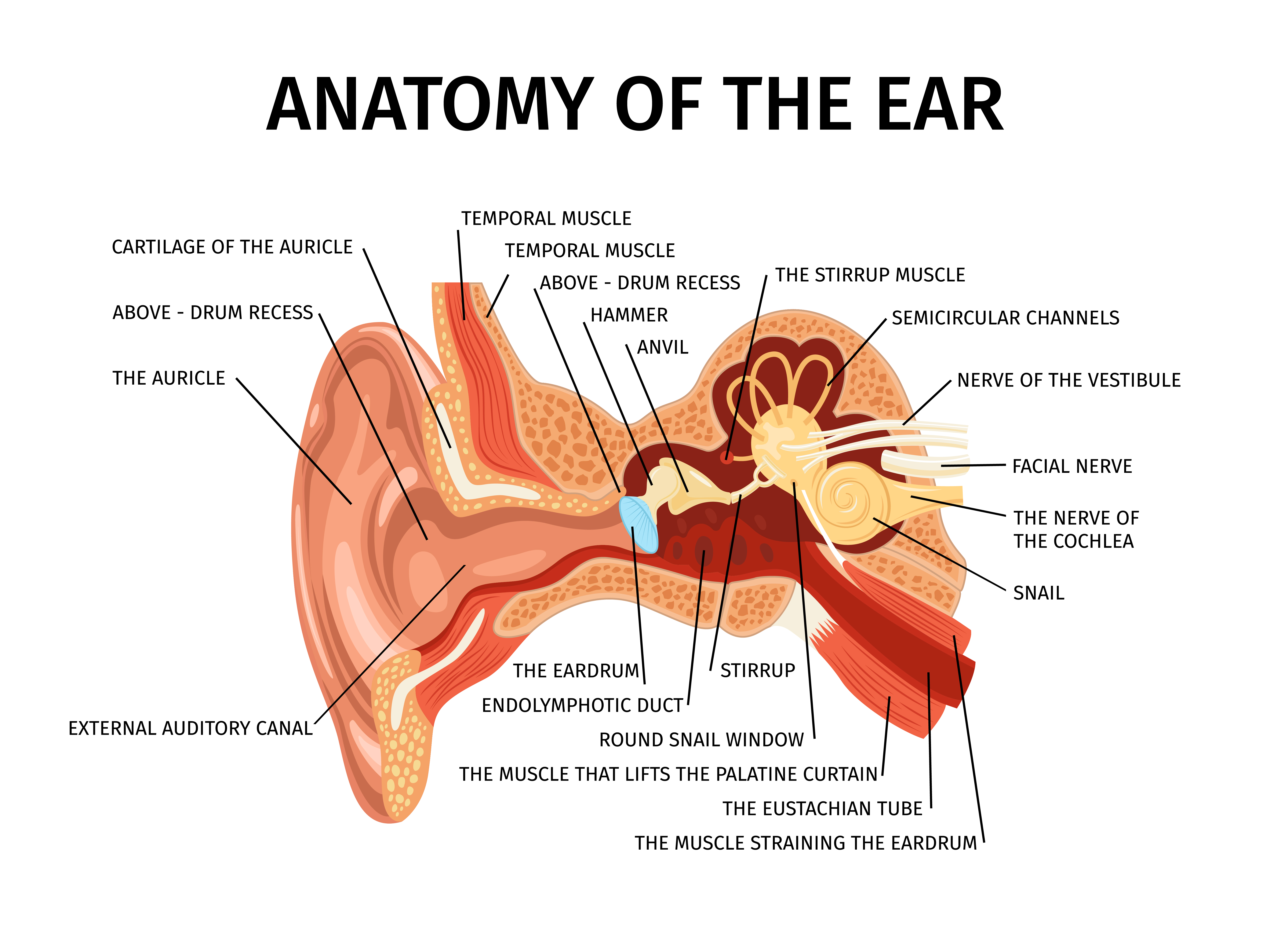
Recognising unusual ear discharge and related symptoms can help individuals seek timely medical evaluation.
What Is Ear Discharge and Why Does It Occur?
Ear discharge refers to any fluid or substance that comes out of the ear canal. It may be watery, thick, yellowish, greenish, bloody, or mixed with earwax.
In some situations, discharge occurs because of an infection in the middle or outer ear. It can also develop due to an injury, a ruptured eardrum, or inflammation of the ear canal.
The nature of the fluid and the symptoms accompanying it help doctors identify the possible cause. Understanding why fluid is coming out of your ear is important for choosing the right treatment rather than trying random home remedies.
Understanding the Different Types of Ear Discharge
There are different types of ear discharge, and each may indicate a different condition. Observing the appearance of the fluid can provide useful information, although it cannot confirm the exact diagnosis.
- Clear, Watery Discharge: May occur due to irritation, inflammation, or other conditions. Persistent clear fluid, particularly after a head injury, requires urgent medical assessment.
- Yellow or Green Discharge: May indicate an ear infection, especially when accompanied by pain or an unpleasant smell.
- Bloody Discharge: Can occur due to an injury, infection, or damage to the eardrum.
- Thick or Pus-Like Discharge: May suggest a bacterial infection.
- Brown Discharge: May simply be older earwax, depending on its appearance and associated symptoms.
The appearance alone cannot confirm a diagnosis. A medical examination is necessary to identify the actual cause and determine whether treatment is required.
Common Causes of Ear Discharge
Several conditions can lead to fluid coming out of the ear. Some common causes include infections, injuries, skin conditions, and problems affecting the eardrum.
- Outer Ear Infection: Infection or inflammation of the ear canal can cause pain, itching, swelling, and discharge.
- Middle Ear Infection: Fluid and infection behind the eardrum may sometimes lead to discharge if the eardrum ruptures.
- Ruptured Eardrum: A tear in the eardrum can allow fluid, pus, or blood to drain from the ear.
- Ear Injuries: Scratches caused by cotton buds or other objects may damage the ear canal.
- Skin Conditions: Eczema and dermatitis can cause irritation, inflammation, and fluid formation.
- Foreign Objects: Objects stuck inside the ear, particularly in children, may cause injury or infection.
Identifying the underlying reason is essential for appropriate ear discharge treatment. A doctor can examine the ear and recommend care based on the specific condition.
How Ear Infections Can Lead to Ear Discharge
Ear infections are among the common reasons for abnormal fluid coming out of the ear. They may affect the outer ear canal or the middle ear.
Outer ear infections often develop when moisture remains inside the ear, creating an environment where bacteria or fungi can grow. This may cause itching, redness, pain, and discharge.
Middle ear infections commonly develop following respiratory infections. Fluid can build up behind the eardrum, causing pressure and discomfort. If the eardrum develops a small tear, the accumulated fluid may drain out.
Common ear infection symptoms include:
- Ear pain or discomfort.
- Fever.
- Reduced or muffled hearing.
- A feeling of fullness inside the ear.
- Unusual fluid or discharge.
If these symptoms persist or become worse, an ENT evaluation can help identify the infection and determine suitable treatment.
The Difference Between Normal Earwax and Abnormal Ear Discharge
Earwax is naturally produced by glands in the ear canal. It helps trap dust, dirt, and other particles while protecting the skin inside the ear.
Normal earwax may be yellow, orange, or brown and can have a soft or slightly firm consistency. It usually does not cause pain, swelling, or unpleasant-smelling fluid.
Abnormal discharge may be watery, pus-like, bloody, or foul-smelling. It may also occur with itching, pain, fever, or hearing difficulties.
Avoid inserting cotton buds or sharp objects into the ear to remove either earwax or discharge. Doing so may push wax deeper or injure the ear canal. If you are unsure whether the substance is earwax or abnormal discharge, seek medical advice.
Understanding the Role of a Ruptured Eardrum in Ear Discharge
The eardrum is a thin membrane that separates the outer ear from the middle ear. It helps transmit sound vibrations and protects the middle ear from external substances.
A ruptured eardrum occurs when this membrane develops a tear or hole. It may result from an ear infection, sudden pressure changes, loud noise, or physical injury.
Ruptured eardrum symptoms may include:
- Sudden ear pain, sometimes followed by pain relief.
- Fluid, pus, or blood coming out of the ear.
- Reduced or muffled hearing.
- Ringing sounds in the ear.
- Dizziness in some cases.
Some ruptured eardrums heal naturally, but medical evaluation is important to check for infection and determine whether additional treatment is required. Avoid putting ear drops or other substances into the ear unless advised by a healthcare professional.
Common Symptoms Associated with Ear Discharge
Ear discharge may occur alone or alongside other symptoms depending on its cause. Paying attention to these changes can help individuals understand when medical evaluation is necessary.
Watch for the following signs:
- Persistent or worsening ear pain.
- Itching or irritation inside the ear.
- Unpleasant-smelling fluid.
- Fever or general discomfort.
- Reduced hearing or a blocked sensation.
- Redness or swelling around the ear.
- Dizziness or balance difficulties.
These symptoms can help doctors understand the condition. Sudden hearing loss, severe dizziness, facial weakness, or swelling and redness behind the ear require urgent medical attention.
Ear Discharge in Children: Causes and Warning Signs
Ear discharge in children should be evaluated carefully because young children may not be able to explain their discomfort clearly. Infections, accidental injuries, and foreign objects inside the ear can all contribute to discharge.
Parents should watch for signs such as:
- Frequently pulling or touching the ear.
- Crying or irritability.
- Fever and disturbed sleep.
- Fluid or pus coming out of the ear.
- Reduced response to sounds.
If a child has ear discharge, pain, fever, or hearing difficulties, consult a doctor. Never insert cotton buds or attempt to remove a foreign object using household tools. A healthcare professional can examine the ear and recommend appropriate treatment.
How Allergies and External Ear Conditions Affect Ear Health
Allergies can cause inflammation and congestion in the nose and the Eustachian tubes, which connect the middle ear to the back of the nose. This may interfere with normal middle-ear ventilation and fluid drainage.
Skin conditions such as eczema can also affect the outer ear canal, leading to dryness, itching, irritation, and sometimes fluid discharge.
Swimming, excessive moisture, and frequent scratching may further irritate the ear canal and increase the risk of infection.
Some common causes of watery ear discharge may involve inflammation or infection, but persistent clear fluid should always be assessed rather than assumed to be allergy-related.
How Is the Cause of Ear Discharge Diagnosed?
An ENT specialist generally begins by asking about the duration, colour, smell, and amount of discharge, along with any pain, fever, injury, or hearing changes.
An examination using an otoscope helps the doctor inspect the ear canal and eardrum. Depending on the findings, additional tests may include:
- Hearing Tests: These help assess changes in hearing and identify possible hearing difficulties.
- Ear Discharge Samples: A sample may be collected when a specific infection needs identification.
- Imaging Tests: These may be recommended in selected cases where deeper complications are suspected.
The diagnosis helps determine whether medication, ear cleaning by a specialist, or another treatment approach is necessary. The treatment plan depends on the underlying cause and examination findings.
When Should You Seek Professional Medical Attention for Ear Discharge?
Consult an ENT specialist if you notice persistent, recurring, bloody, pus-like, or foul-smelling discharge. Medical evaluation is also important when discharge is accompanied by pain, fever, itching, or hearing changes.
Seek urgent medical care if fluid or blood comes from the ear after a head injury, or if you experience sudden hearing loss, severe dizziness, facial weakness, or swelling behind the ear.
Avoid putting oil, ear drops, or other substances into the ear without medical advice, particularly when a ruptured eardrum is possible. Keep the ear dry until it has been examined, and do not insert cotton buds or other objects into the ear canal.
At Vijay ENT Endoscopy Center, individuals can seek information about ENT consultations and evaluation of ear-related symptoms. Timely medical assessment can help identify the cause of discharge and guide suitable care.
Remember, the appropriate treatment for ear discharge depends on its underlying cause. Persistent discharge, pain, or hearing changes should be evaluated by a qualified medical professional rather than treated with unverified home remedies.
Frequently Asked Questions About Ear Discharge
Common causes include outer or middle ear infections, a ruptured eardrum, ear canal injuries, skin conditions such as eczema, and foreign objects inside the ear. A medical examination helps identify the actual cause.
Clear fluid may occur with irritation or other conditions, while yellow or green discharge may suggest an infection. Bloody discharge can occur due to injury or eardrum damage, and brown material may be earwax. Colour alone cannot confirm a diagnosis.
Yes. Outer ear infections can cause inflammation and discharge from the ear canal. A middle ear infection may cause fluid to collect behind the eardrum, and discharge can occur if the eardrum ruptures.
Yes. Ear discharge in children should be medically evaluated, especially when accompanied by fever, pain, irritability, disturbed sleep, or reduced response to sounds. Do not insert cotton buds or attempt to remove objects from the child's ear at home.
Seek urgent medical care if discharge or blood follows a head injury, or if you experience sudden hearing loss, severe dizziness, facial weakness, or swelling and redness behind the ear. Persistent, foul-smelling, or bloody discharge also needs medical assessment.
Avoid inserting cotton buds, sharp objects, or other items into the ear. Do not put oil, ear drops, or other substances into the ear without medical advice, particularly if a ruptured eardrum is possible. Keep the ear dry until it has been examined.
Take Care of Your Ear Health
Persistent ear discharge, pain, unpleasant-smelling fluid, or hearing changes should not be ignored. Consult an ENT specialist for an appropriate examination and guidance about suitable treatment.
Get Professional Guidance for Ear Discharge
If you experience persistent ear discharge, ear pain, bleeding, or hearing difficulties, Vijay ENT Endoscopy Center can be approached for information about ENT consultation and evaluation of ear-related concerns.
Book Your ENT Consultation