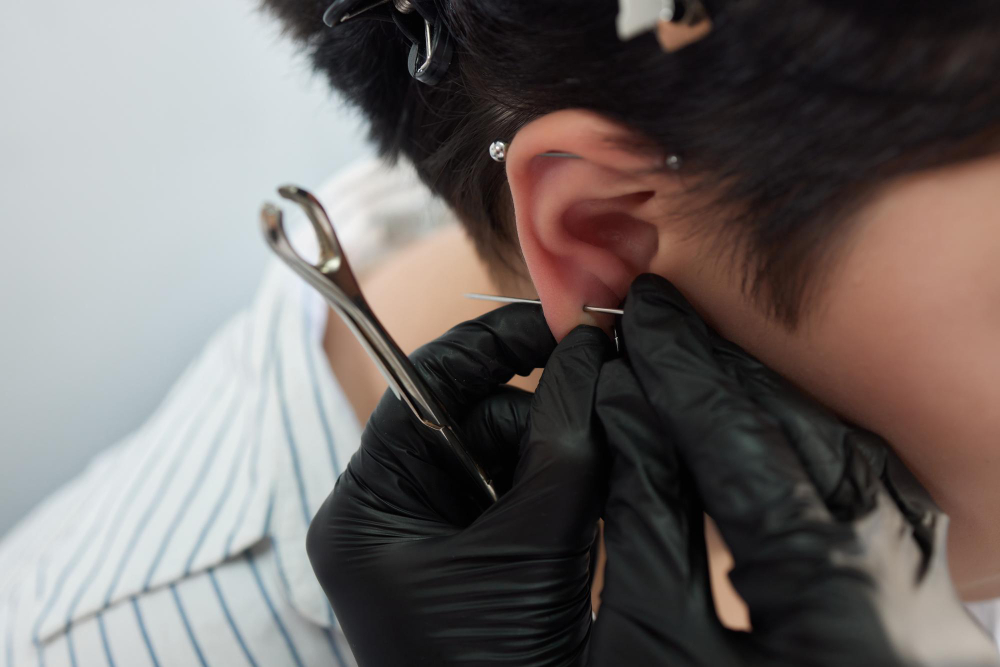
Understand the procedure, hygiene practices, and aftercare before choosing a service
What to know before your appointment
Choosing an Ear Piercing Service
Ear piercing involves creating a small opening in the ear to wear jewellery such as earrings or studs. Although it is common, it requires proper hygiene, suitable equipment, and appropriate aftercare. The technique and jewellery may vary according to age, ear anatomy, and individual requirements.
Before choosing an ear piercing service, consider:
- Hygiene and sterilisation practices.
- Experience and training of the professional.
- Type and quality of piercing equipment and suitable jewellery.
- A clear explanation of the procedure and possible risks.
- Clear instructions for healing and aftercare.
01How to Choose a Hygienic Ear Piercing Service
Finding the right ear piercing service involves more than comparing prices. Check whether the facility uses sterile, single-use needles where appropriate, maintains proper hand hygiene, uses sterilised instruments, provides suitable hypoallergenic jewellery, and explains the procedure and aftercare. Parents seeking ear piercing for children should also consider the professional's experience in handling children.
02Needle vs. Gun Ear Piercing
A sterile, single-use hollow needle creates a controlled opening and is generally preferred by trained professionals, particularly for cartilage piercings. A piercing gun pushes the earring through the tissue; some devices have reusable components that can create sterilisation challenges and may cause additional tissue trauma. Parents should discuss the options with a qualified healthcare professional.
03Baby Ear Piercing: Guidance for Parents
Babies have delicate skin and require additional care during ear piercing. Parents should consult a qualified healthcare professional about appropriate timing, possible risks, and suitable methods. Ensure sterile equipment, suitable jewellery, and clear aftercare guidance are available before making a decision.
04Ear Piercing Cost and Jewellery Options
Ear piercing costs may vary depending on the facility, piercing technique, jewellery selection, professional expertise, equipment, sterilisation standards, and consultation requirements. Compare hygiene and professional standards along with price, and enquire about current charges.
05Does Ear Piercing Hurt?
Ear piercing may cause brief pain or pressure, followed by mild tenderness. Discomfort varies according to the piercing location, individual sensitivity, and technique. Staying relaxed, following instructions, and discussing concerns beforehand may help make the experience more comfortable.
06Ear Piercing Aftercare and Healing
Wash your hands before touching the piercing and clean the area gently with sterile saline as advised. Avoid twisting earrings, applying alcohol or harsh chemicals, changing jewellery before healing, and allowing hair products or cosmetics to contact the area. Earlobe piercings commonly take around 6–8 weeks or longer to heal, while cartilage piercings may take several months or longer.
Understanding the Types of Ear Piercings
Common ear piercing options include different areas of the earlobe and ear cartilage. Not every type is suitable for every individual. Cartilage piercings require particular care because healing can take longer.
Ear Lobe PiercingA traditional piercing through the soft lower part of the ear.
High Ear Lobe PiercingA piercing positioned higher on the earlobe.
Helix PiercingA piercing located along the upper outer cartilage of the ear.
Tragus PiercingA piercing through the small cartilage area near the ear canal.
Conch PiercingA piercing located in the inner cartilage of the ear.
Other ear piercing options include tragus piercing, through the small cartilage area near the ear canal, and conch piercing, located in the inner cartilage. Not all piercing types are suitable for every individual. Follow professional aftercare advice, especially for cartilage piercings.